Hello.

I live in Amsterdam. I grew up on a hill in Gloucestershire.

Before I moved to the Netherlands, I lived in London and worked at VCCP, going from account executive to senior brand strategist. I have sold chocolate of different shapes, sizes and temperatures for Cadbury, recruited builders and nurses into teaching roles for the Department for Education, and worked on other things like phones, cricket, and bystander intervention on the London Underground.

I like interesting questions, and I care about making interesting work. I'm around and open to both freelance and full-time roles.

In my spare time I like to read, run, and come up with luxury sandwiches.

Xanthe Fuller

Cadbury Creme Egg: Bringing an old insight into the 21st century

+
Creme Egg campaign

The challenge

After years of sales-led activity, the Creme Egg brand was losing meaning and difference. The issue was not lack of ideas, but lack of clarity around what made Creme Egg distinctive in the first place.

The strategy

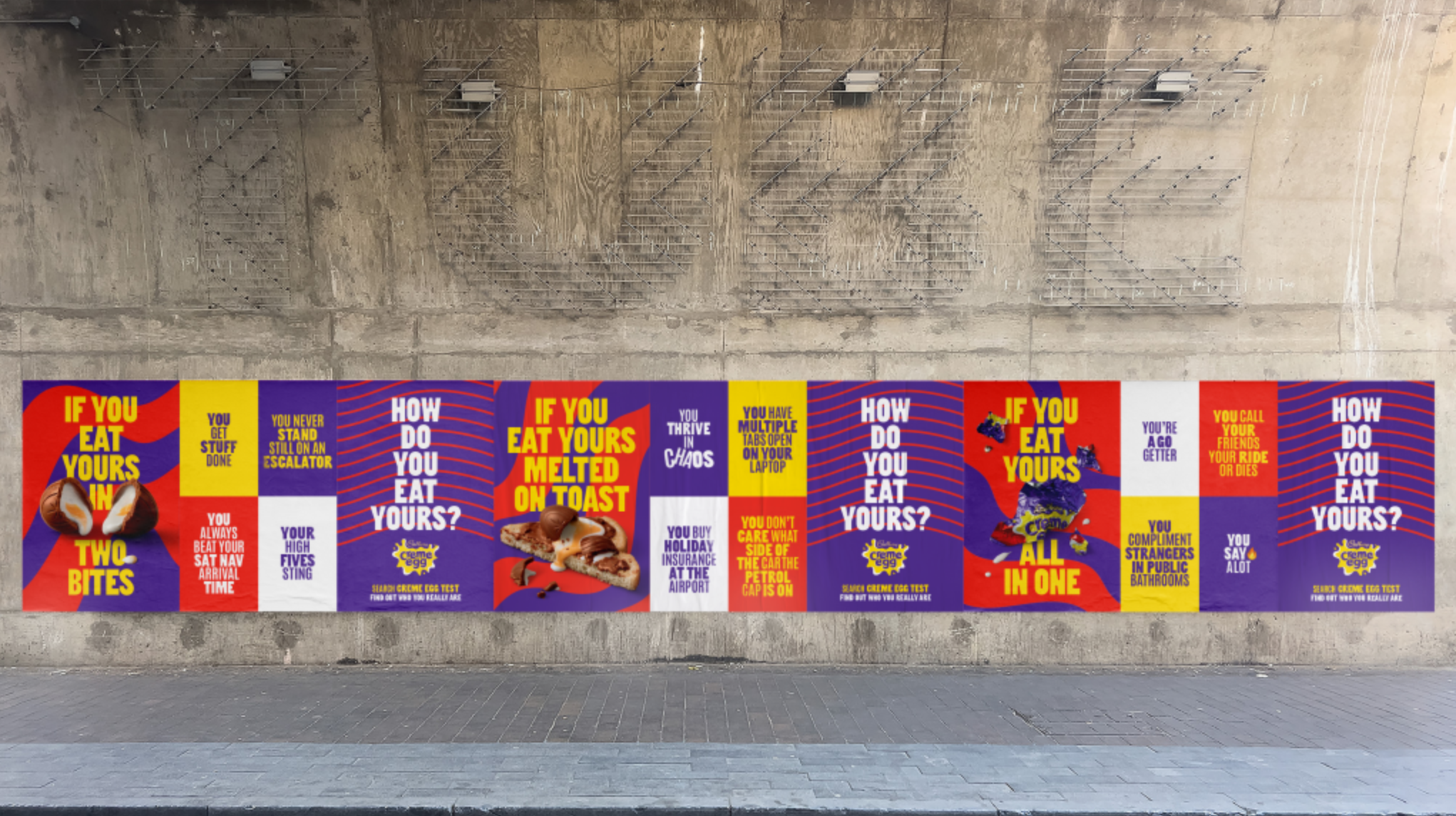
I found the insight that inspired the original "how do you eat yours?" campaign from the 1980s: that everyone has their own way of eating a Creme Egg, and saw it was still alive in how people talked about it online. The job wasn't to reinvent it, but to push it further than it had ever gone before.

The creative idea

We pushed How do you eat yours? to an extreme, making your Creme Egg eating technique say absolutely everything about you. We rebuilt the platform as an online personality test supported by a fully integrated campaign. It has since run for multiple years and expanded into new formats including retail and a vinyl of "gooey love songs".

Watch the campaign →

Department for Education: Uncovering an identity issue

+
DfE campaign

The challenge

Further Education colleges needed to recruit more industry professionals (in construction, engineering, health and social care) into teaching roles.

The strategy

The previous campaign assumed our audience saw themselves as teachers. In the depth interviews I ran, it became clear they didn't. For many, teaching felt like leaving their identity behind. So we reframed the further education role as a continuation of their career, training others, not becoming a teacher.

The creative idea

Give your skills new life, a campaign using real imagery of real industry professionals that positioned further education as a great opportunity to re-energise your current career, not a jump into the unknown. This shift won the pitch. The campaign is currently live.

Watch the campaign →

O2: Finding a credible role for a telecoms brand at Christmas

+
O2 campaign

The challenge

O2 wanted to show up at Christmas. The problem? Telecoms doesn't really belong at Christmas. You either do the hard sell on devices or say something vague about connection. Neither really works.

The strategy

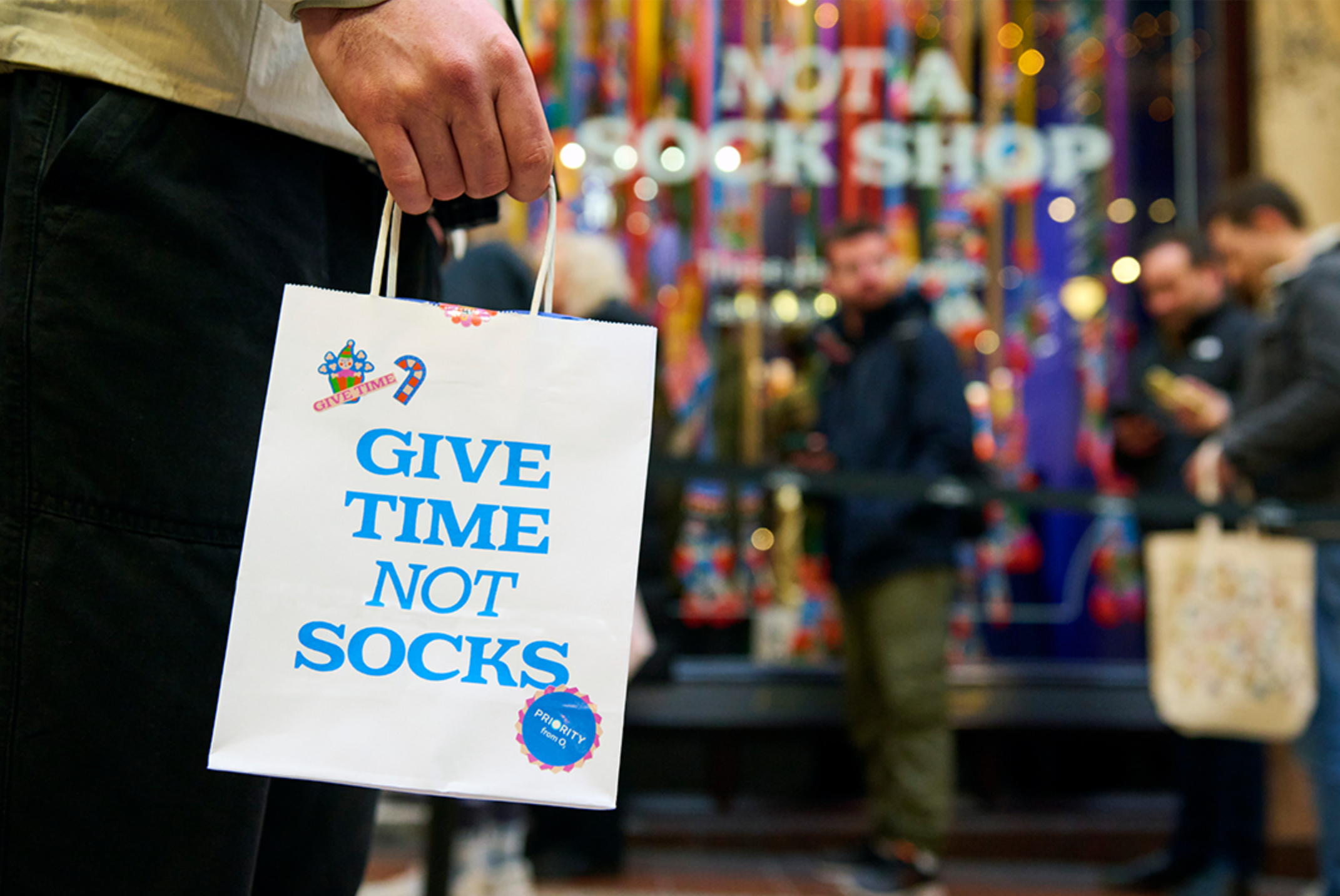
Material gifts are easy to forget. Most people struggle to remember what they were given last Christmas. But an experience shared with someone you love sticks. O2's Priority rewards programme offers exactly that. So we redefined the most memorable Christmas gift not as material items but as shared experiences.

The creative idea

Give Time, O2's fully integrated Christmas 2025 campaign, spanning comms, the Priority seasonal offering, and a Not a Sock Shop activation on the British high street.

Watch the campaign →

Cadbury Twirl Orange: A presale for a chocolate bar

+
Twirl Orange presale

The challenge

The return of a limited-edition product that people were already actively looking for. Demand existed. The job was not to waste it.

The strategy

Don't just sell it. Drop it like Supreme. Or like Glastonbury tickets.

The creative idea

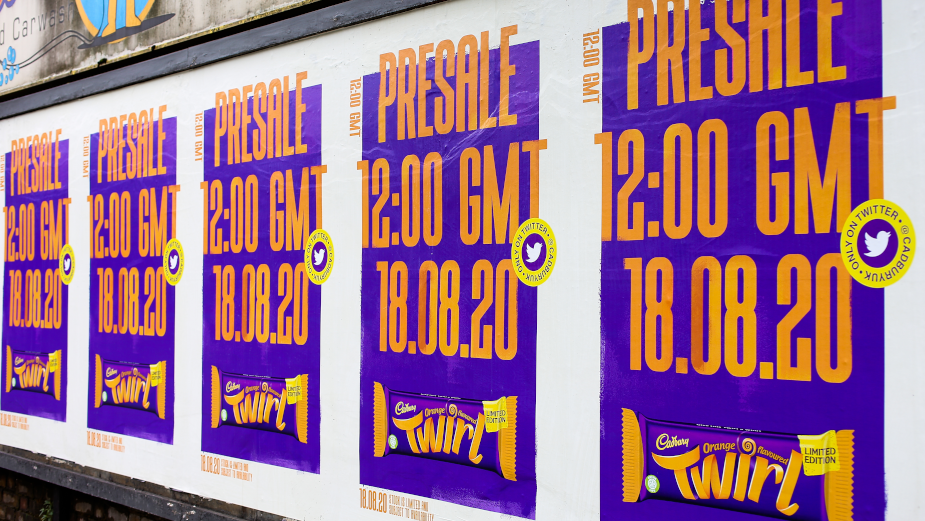
The first ever presale for a chocolate bar. Turned existing hype into something people actively chased and queued to be part of.

Watch the campaign →

Cadbury Fingers: Going into uncharted territories

+
Cadbury Fingers campaign

The challenge

Cadbury Fingers had been building a platform around connection, using fingers (both literal and biscuity) as a way people communicate. That idea could stretch further by going into deaf culture and British Sign Language, but this could go easily wrong. It needed to be credible.

The strategy

We focused on the people for whom fingers are essential to communication (BSL users) and encouraged people to learn basic sign language. We set up in-depth research and a co-creation panel with the deaf community to shape both the idea and the execution.

The creative idea

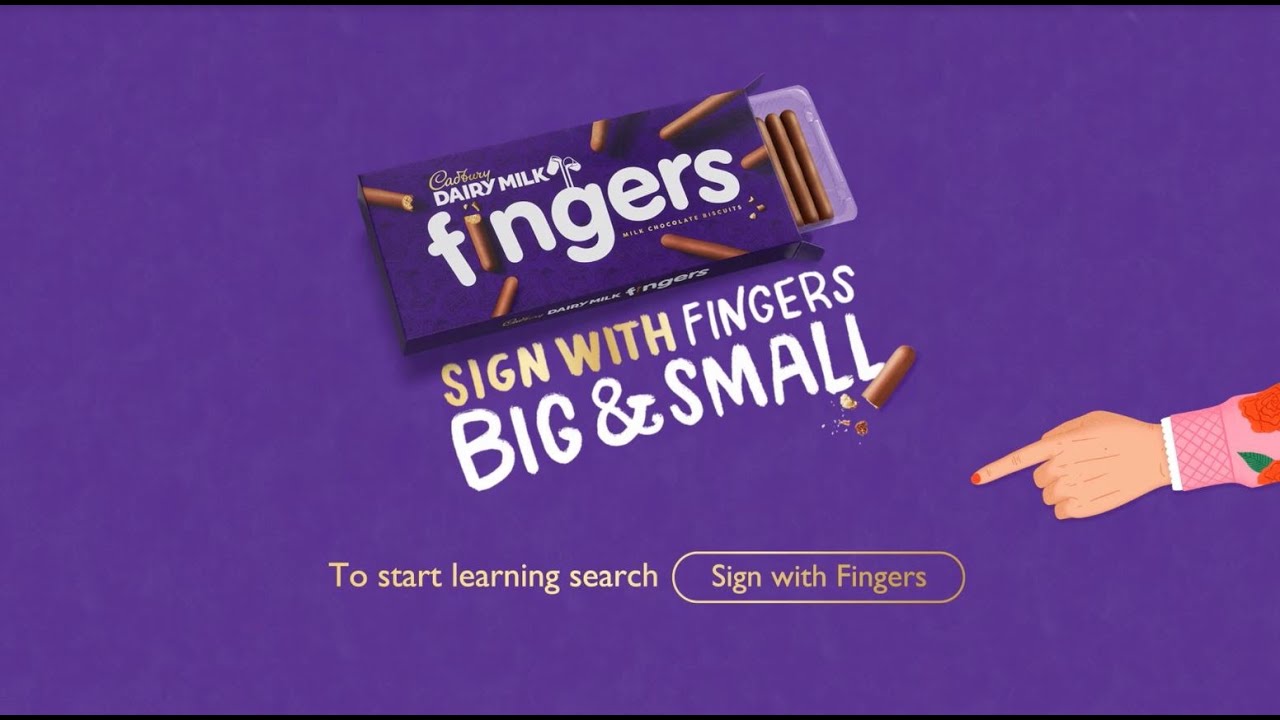
Sign With Fingers Big & Small: two strands of work showing why learning a small bit of sign language can make a big difference (long-form), then teaching BSL phrases across short-form channels. The campaign was embraced by the deaf community and improved brand salience.

Watch the campaign →

Pieces coming soon.